
Imaginary evil, real good
Aesthetics vs. substance

I’m going to finish my reflections on China next week. Between jet lag and a birthday weekend upstate, I just haven’t had time to finish my thoughts.
Instead, I want to share a quote that’s resonated with me from V13: Chronicles of a Trial. The book follows the trial of the men who carried the November 13, 2015 Islamist attacks across Paris, killing 130. The author, Emmanuel Carrère, is no bright-eyed optimist, no Disney or Duffer Brother moral simpleton. After all, he’s French. He’s skeptical of performative virtue; he’s honest about the way your eyes glaze over by the umpteenth survivor account: visceral, horrifying, and yet repetitive.
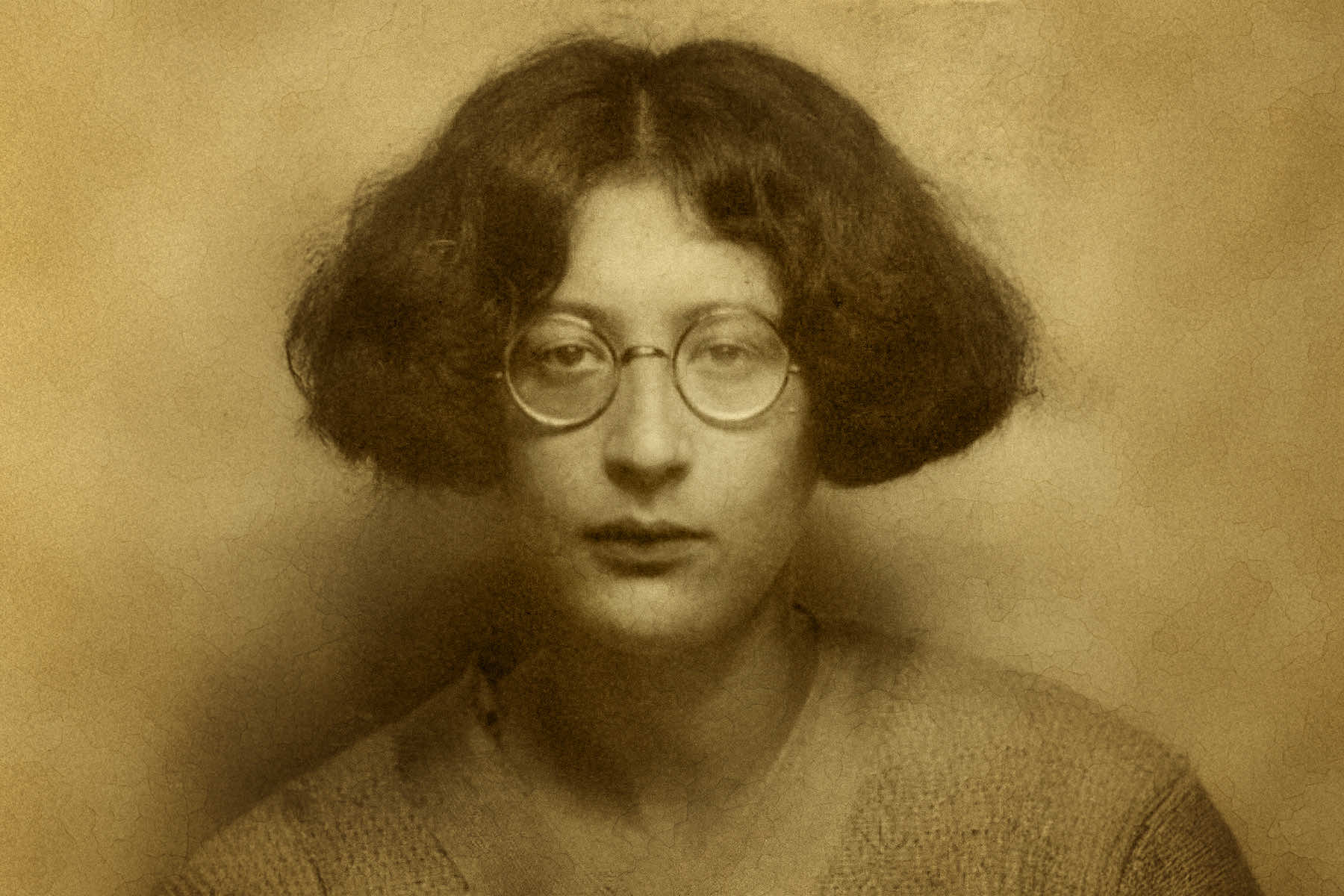
But then he talks about the flashes of heroism from that night: the woman who ushers fifty people into a hiding place in the Bataclan as the terrorists kill 90 people in the theater below; the cop who enters alone without waiting for reinforcements; the couples who stay together despite disfigurement. And then he drops this quote from Simone Weil:
Imaginary evil is romantic and varied; real evil is gloomy, monotonous, barren, boring. Imaginary good is boring; real good is always new, marvelous, intoxicating.
Why is this? Why are fiction’s villains so much more interesting than its heroes? My hunch is that it has to do with the aesthetics of evil: in art, evil gets the best costume design, the coolest architecture, the widest license to be baroque. Imperial Stormtroopers, the Harkonnens in Dune, Sauron and the Nazgul: all so much more interesting than their protagonist counterparts.
But in real life, aesthetics only care you so far. Looksmaxxing is, ultimately, shallow. Soul, ultimately, matters. It’s is the force behind substance, behind real good. And that real good is always new, marvelous, intoxicating.